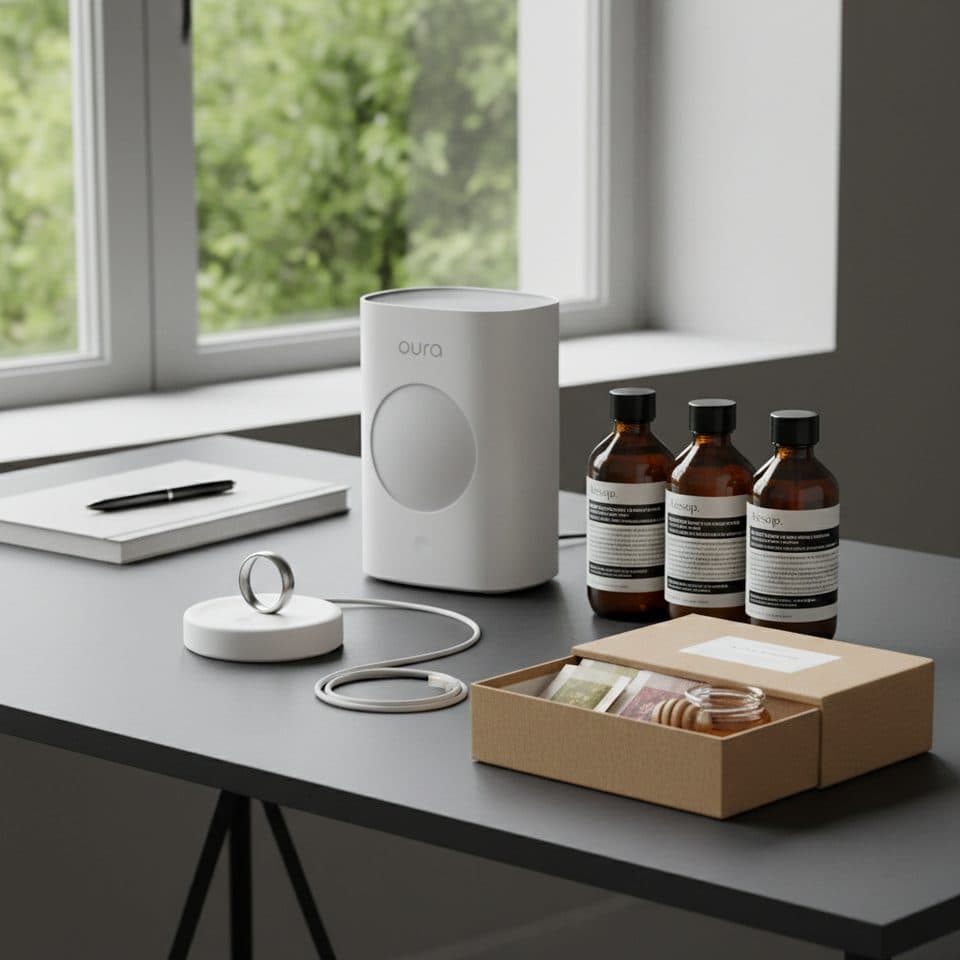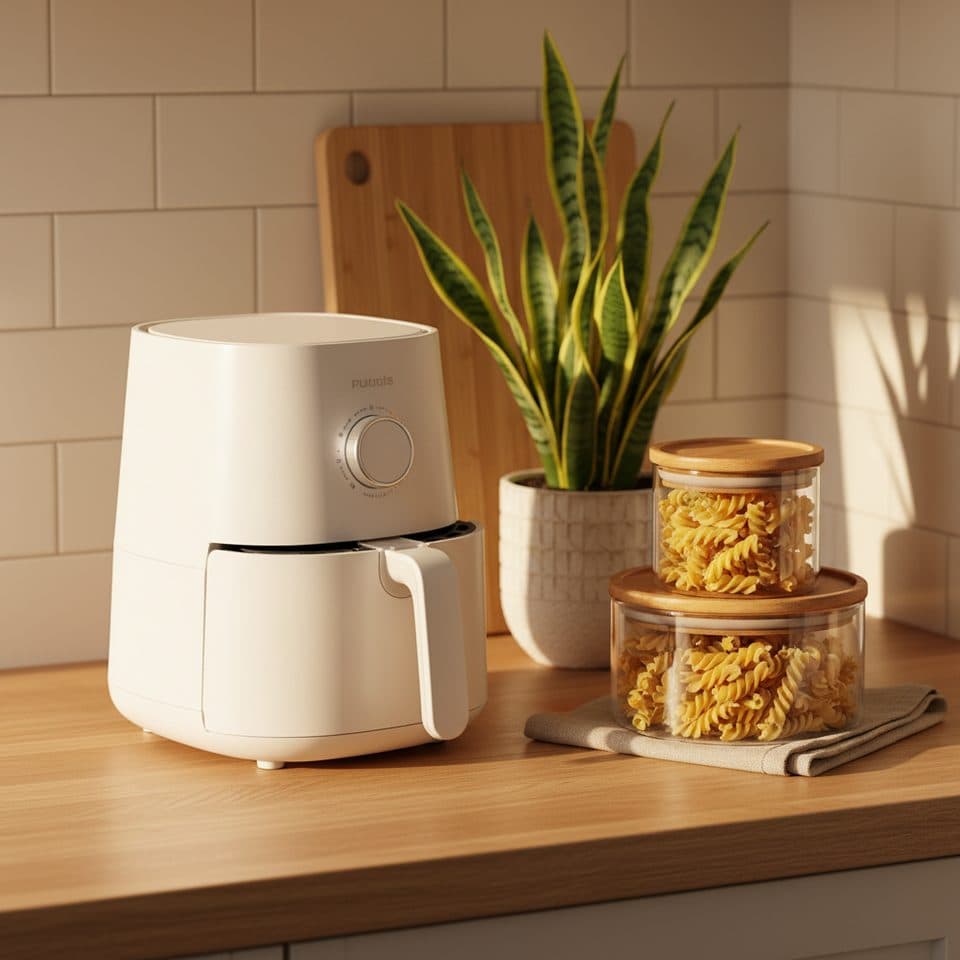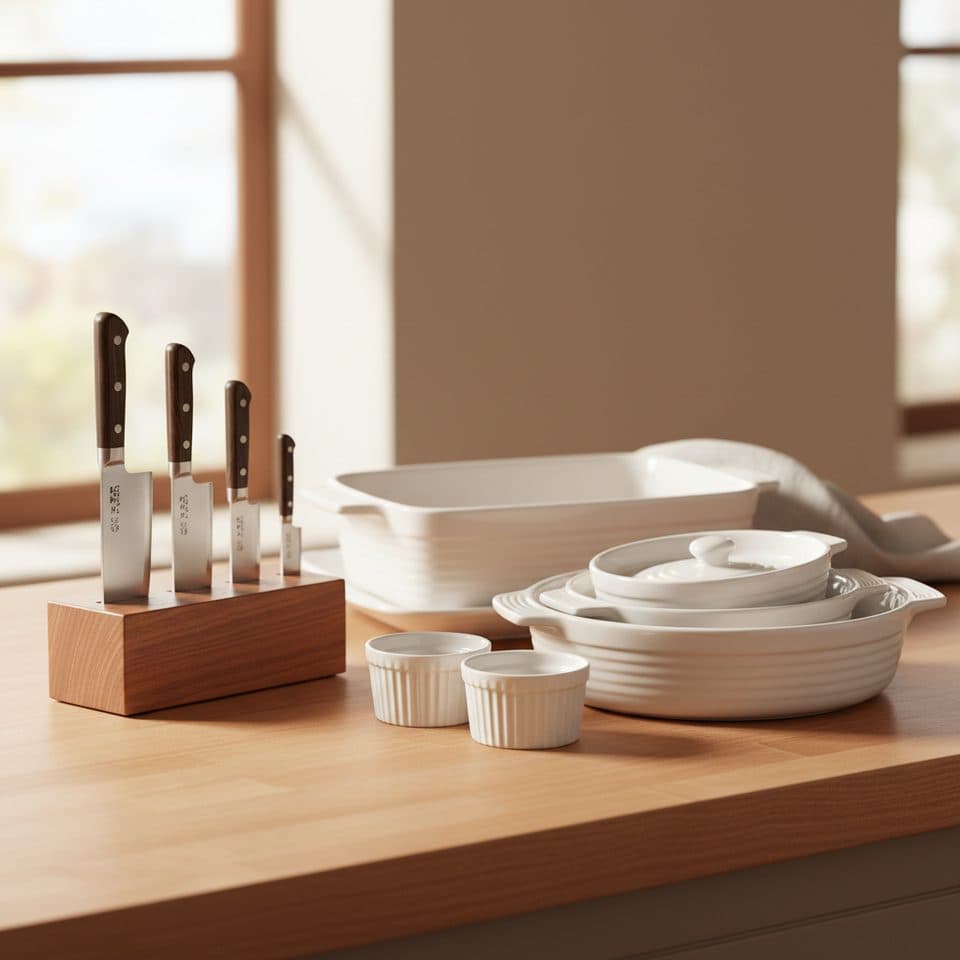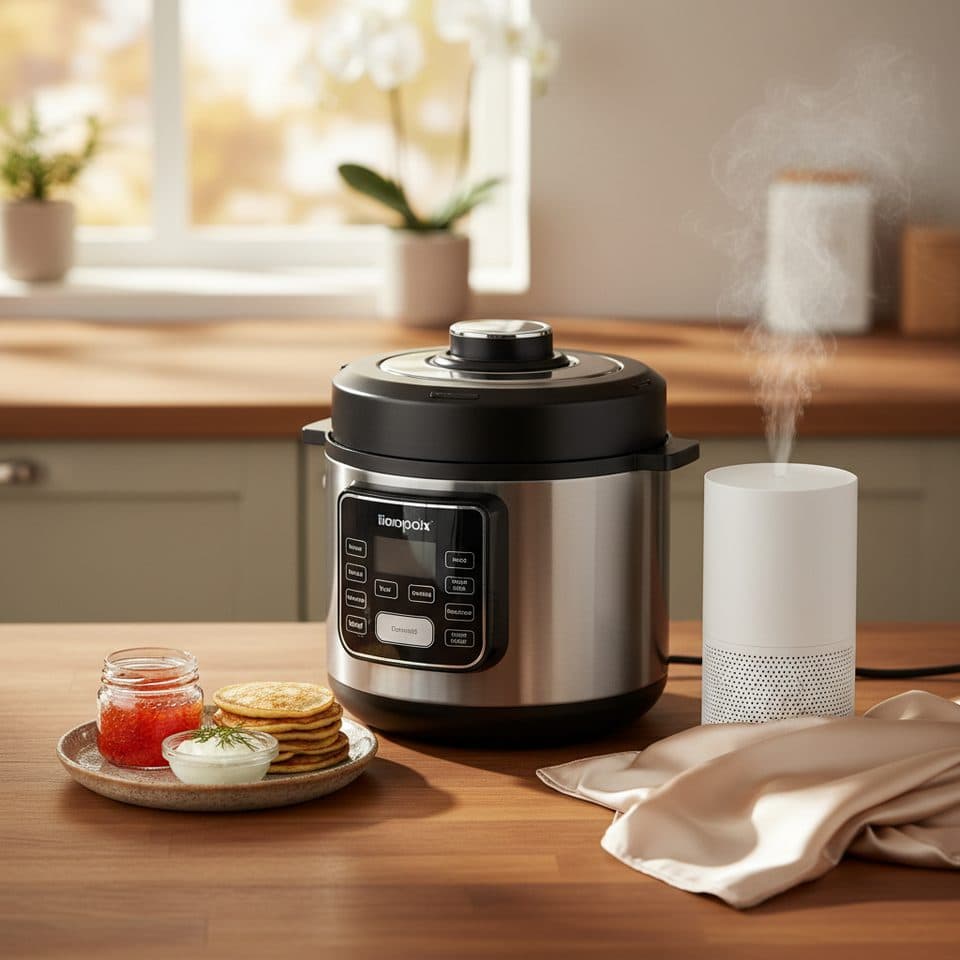
Gifts for mom on Giftopus combines an editorial landing and a practical catalog in one page. Instead of browsing scattered gift ideas, users get a focused category with clear structure: context, popular intent links, and ready sets. This reduces search friction and shortens time to useful action.
The category is valuable because it covers common decision patterns: choosing by occasion, style, and budget while keeping the interface simple. Scenario cards expose the essentials first, then the scenario page provides details and a direct path into the create flow. That balance improves both speed and quality of choice.
Each scenario acts as a flexible base. You can adapt the set and share it so the recipient chooses what fits best. This lowers mismatch risk compared with one-shot gift choices and keeps the gift personal at the same time. The process is practical for the sender and comfortable for the recipient.
For SEO, category pages expand query coverage around a topic cluster rather than one exact keyword. Internal links pass relevance to related scenarios and neighboring categories, improving crawl paths and overall discoverability. The page supports long-tail intent while strengthening the whole template catalog.
For UX, block order matters: headline, short intro, popular ideas, set cards, then extended SEO content in details. Users see actionable content first, while search engines still receive complete HTML text. The page stays scannable, lightweight, and consistent across desktop and mobile breakpoints.
As a repeatable flow, this category helps users return, pick a relevant base, personalize quickly, and move into app creation within minutes. That repeatability improves confidence and conversion with less cognitive load. In practice, category pages become high-value entry points for both growth and product usage.

Another advantage is simplicity without losing utility. The page avoids heavy promotional clutter and keeps focus on navigable sections that move users forward. This makes mobile scanning easier, reduces confusion-based drop-off, and improves first-session comprehension for visitors who discover the site from search.
There is also a business impact: category pages capture adjacent query demand and route that traffic to high-intent scenario pages. That improves session quality, creates stronger internal journeys, and supports conversion-oriented behavior instead of shallow browsing. In practical terms, stronger category architecture helps organic traffic produce measurable product actions.
Over time, this structure also makes expansion safer. New subcategories can be added with the same UX pattern, internal-link logic, and content depth without redesigning the whole section. That consistency improves maintainability and helps each new page inherit proven SEO and conversion behavior from day one.